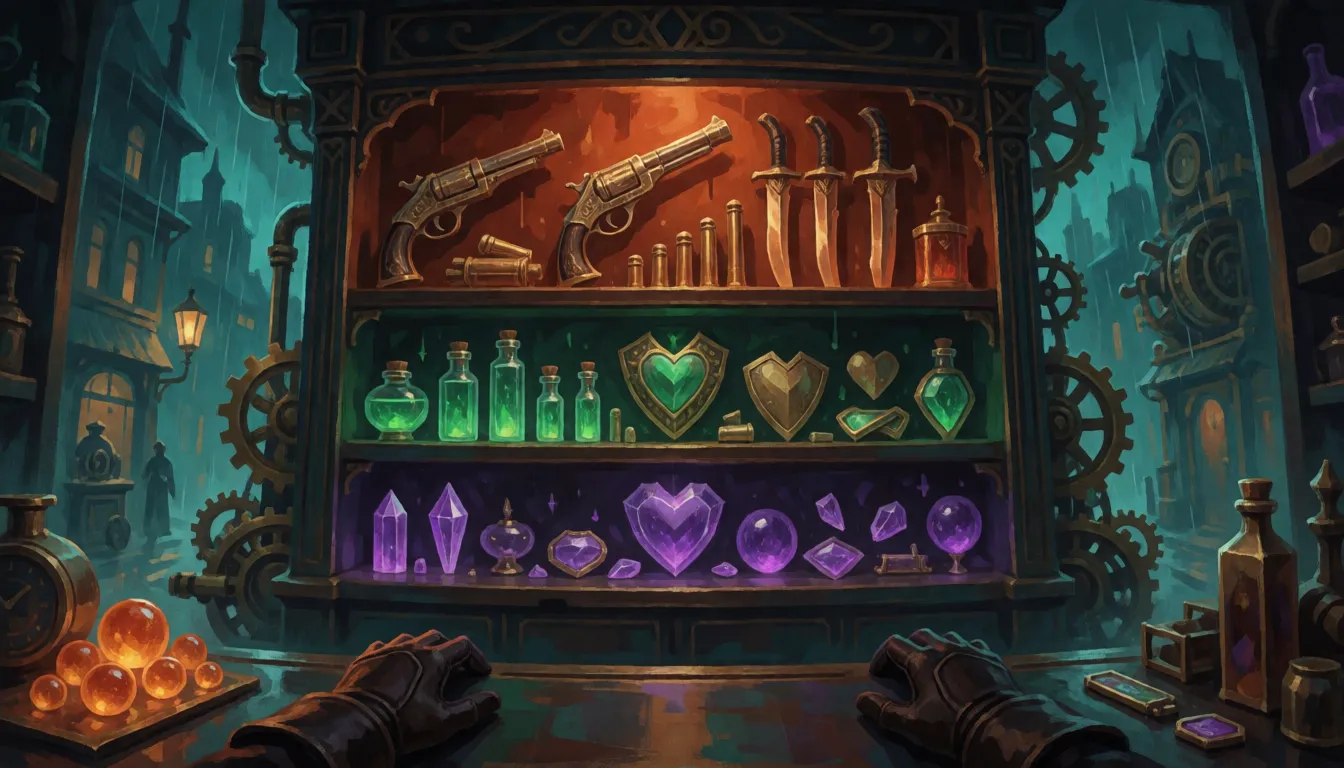
Deadlock is a third-person hero shooter fused with a MOBA. You aim and shoot your own gun, use abilities that run on cooldowns instead of mana, and earn souls, the currency you spend on items in the shop. Two teams fight over lanes, push toward each other's base, and win by destroying the enemy Patron once the defences around it are down. Each match follows one loop: farm souls, buy items, take objectives, push the base. Everything below expands on that loop, in the order a match plays out.
What Deadlock is and what you're supposed to do in a match
If you're coming from Dota 2, the lane structure will feel familiar: waves of troopers walk down lanes, you farm them for souls, and you shop to get stronger than the enemy. What's new is that you aim everything yourself. If you're coming from Overwatch, aiming and hero abilities will feel natural, but Deadlock has a long match economy, and your power depends on what you bought as much as on your hands.
If you're new to both, hold on to one idea: you get stronger by collecting souls, and you convert those souls into items. Fights matter, but a player who farms cleanly and shops sensibly will usually beat one who chases kills with no build behind them.
Getting in and practising in Bot Match
Deadlock is on Steam, and the Steam store page is where you find out how you get in today, whether that's a straight install or something you need access for. Access has changed over time, so go by that page rather than by an old guide or a forum post, this one included.
Once you're in, don't queue straight into real matches. Bot Match lets you play a full game against AI opponents on Easy, Medium or Hard, with none of the pressure of teammates waiting on you. Start on Easy and learn the shape of a match: where the lanes are, how souls come in, how the shop opens, what it feels like to push toward a base. Move up to Medium when Easy stops teaching you anything, and use Hard as a stress test for your lane habits. Bots won't punish every mistake the way people do, so treat a Hard win as a good sign, not proof you're ready.
That gives you the practice ladder: Bot Match first, then a real match with one hero, then a second hero. To climb it, you first need a hero.
Picking a first hero and why to keep a small pool
Heroes get rebalanced and the roster changes, so this list isn't tied to a named patch. Check that each pick is in the hero list you're playing on. These are the three I'd point a new player at:
 Infernus is a straightforward pick to read. You fight with your gun and abilities together, and it's easy to see what each button is for. He's my default answer when someone asks for a first hero.
 Seven leans on abilities more than on raw gun work. He's a good first look at a hero where your cooldowns matter as much as your aim.
 Abrams is a close-range bruiser and a frontline hero. He tends to forgive mistakes, so you can learn positioning and fight timing without dying every time you get one wrong.
Pick one and stay on it for your first few matches. Learning one hero's cooldowns, ranges and timing teaches you far more than sampling a different hero every game. That's my read, and it's the habit I'd push hardest: hero-hopping feels like exploring, but you never get past clumsy.
Then build a small pool of two or three heroes that cover different roles. Those three already give you a spread: Infernus as the gun-and-ability pick, Seven as the ability-focused one and Abrams as the tougher frontline. The point is to have an answer when your first choice is countered or when your team already has one of them. If you want a fourth later,  Mina,
Mina,  Graves,
  Vyper and
  Mo & Krill are all commonly recommended to newcomers, but keep the pool small enough that you can still play every hero in it well.
Movement: the skill new players skip
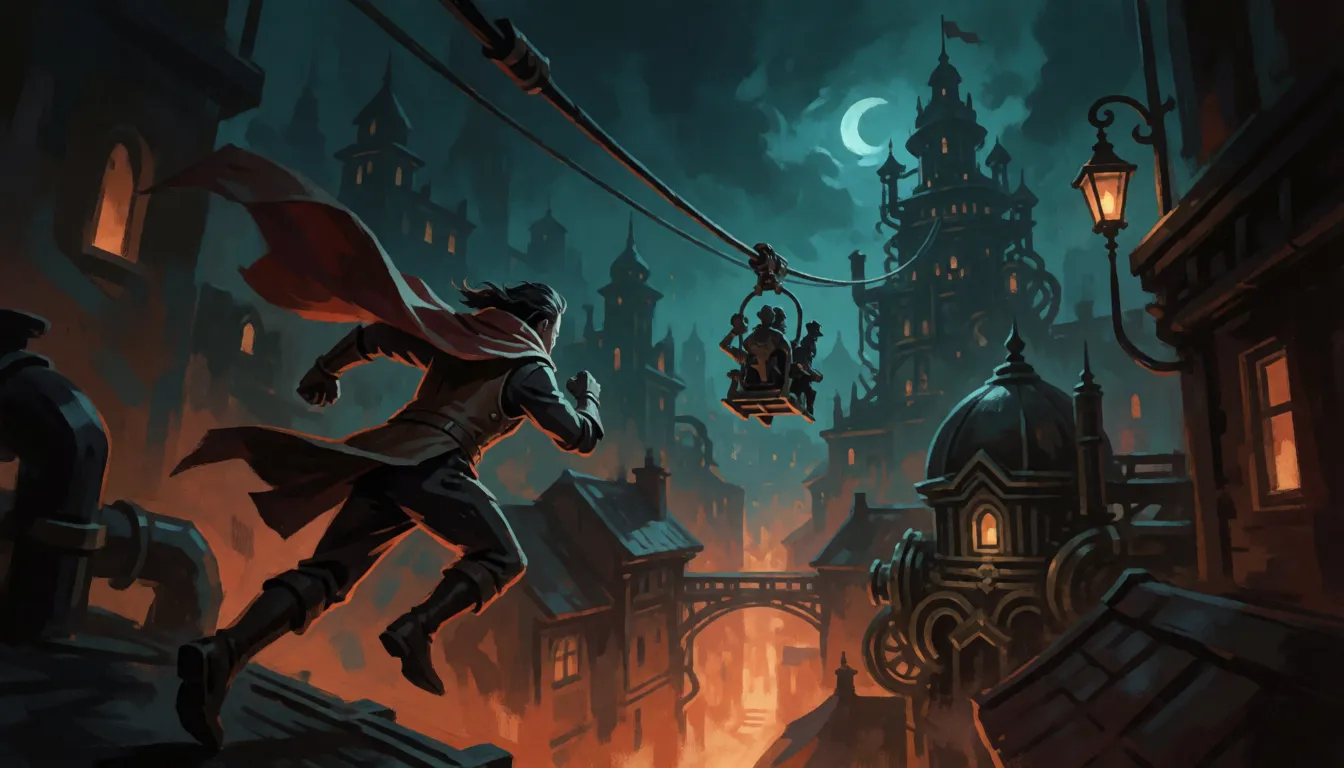
Most new players treat movement as walking to where the fight is. In Deadlock it's a skill that decides whether you farm safely, survive a bad fight or arrive at an objective in time.
The pieces you need are sprint, stamina, dashes, ziplines and teleporters. Sprint gets you across the map faster when nobody is threatening you. Stamina is the resource behind your movement, so spending it all on a needless dash leaves you unable to escape when someone actually dives you. Dashes are for dodging shots and closing gaps, not for constant use. Ziplines are fast routes across the map that also change where you can be caught, and teleporters let you rotate between areas without a long run.
Practise this in Bot Match. Play a few minutes where the only goal is to move: sprint between lanes, take a zipline, dodge bot fire with dashes, and watch your stamina. Movement you've drilled against bots is movement you can use when it counts, and the laning phase is the first place it counts.
The laning phase: farm, push, don't brawl
The laning phase lasts roughly 8 to 10 minutes. Your job in it is simple: farm troopers for souls, push the wave toward the enemy Guardians when you can, and don't brawl with the enemy laner early.
Farming is the priority because souls turn into items, and items are what let you win fights later. Stand where you can shoot troopers safely, finish them for the souls, and keep an eye on your health. Pushing the wave toward the enemy Guardians puts pressure on their side and keeps their laner busy.
The mistake that loses lanes is fighting too early. Trading shots with the enemy laner before you have the items or the ability rotation to win feels active, but it's usually a loss: you take damage, use cooldowns, then have to back off and miss souls while you're away. It's the habit I'd fix first in my own play and the first one I'd tell a friend to drop. Trade when you have the tools to win it, such as abilities off cooldown, health in a good place and a wave in a good position. Otherwise, concentrate on the troopers. Wandering off without farming is the other classic failure. If you aren't fighting, you should be collecting souls.
When you have souls, spend them. That brings you to the shop.
The shop: what to buy and what to follow
Items are split into three categories:
- Weapon covers gun damage, fire rate and ammo.
- Vitality covers health, healing, lifesteal, damage resistance, stamina and movement.
- Spirit covers ability damage and cooldown reduction.
Match your items to your hero's main damage type. A hero that wins fights with its gun wants Weapon items, and a hero that wins with abilities wants Spirit. Buying the wrong category for your hero is one of the easiest ways to feel weak for no clear reason.
Whatever your hero does, always buy some Vitality. Beginners tend to stack damage, then die before they get to use it. A bit of health and damage reduction keeps you in fights long enough to deal your damage.
To start with, follow an in-game suggested build. It takes the guesswork out of the shop, it's built around your hero's strengths, and it lets you spend your attention on aiming, farming and positioning instead of reading item descriptions mid-fight. Once you've played a hero for a while, you'll notice where the suggested build doesn't fit your games, and that's when to start adjusting it.
With items in your inventory and lanes starting to open up, the map itself becomes the focus.
After the lanes: objectives and the map
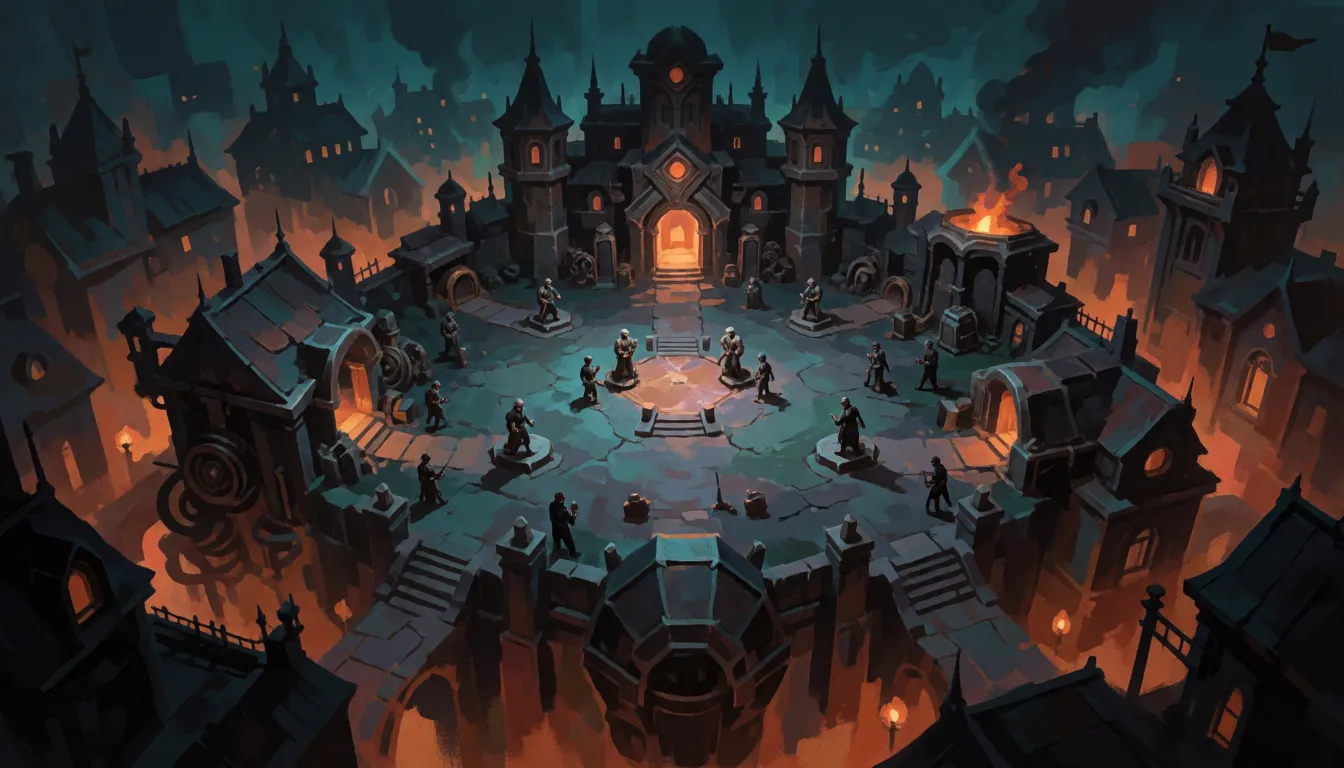
Once the laning phase ends, the game stops being about your lane and becomes about the map. I'm not giving minute markers for the neutral objectives here, because their timings are the kind of number that moves between patches. What matters is knowing what's out there:
- Guardians are defensive structures on the lanes, and taking them down opens the lane up for your team.
- Walkers are large defensive structures. They're tougher than Guardians and matter because they stand between you and the enemy base.
- Shrines are defensive structures deeper on the enemy's side that stand in the way of the Patron.
- The Patron is the final objective. Destroying the enemy Patron wins the match.
- Mid Boss is a powerful neutral objective in the middle of the map. Beating it gives your team a strong reward, but it takes several players to do it safely.
- The Urn is another contested objective. Carrying it to its delivery point rewards your team, and the carrier is an obvious target, so it's worth grouping around.
The habit to build here is grouping. Objectives are taken by teams, not by one player at a time. If you're on the other side of the map farming while your team fights at the Mid Boss, you're not contributing, and you're not getting the reward either. Look at the map, see where your team is, and go there.
How a match is won
You win by destroying the Patron, and the Patron can't be damaged until the defences in front of it are gone. In practice that means working through Guardians and Walkers on the lanes, getting into the enemy base, and taking down the Shrines that guard the Patron. The exact number of structures and the order they must fall in are the sort of thing a patch can change, so check what the game shows you on the map as you push rather than trusting a fixed checklist from me.
A base assault is a team action. Push together after winning a fight or an objective, when the enemy is dead or short on numbers, and don't run in alone. Teams that take a fight, grab a structure, then reset and shop before the next push tend to convert their leads. Teams that dive the base carelessly hand the enemy a comeback. When you're ahead, use the lead to take structures rather than to chase one more kill.
Mistakes to avoid and your first three matches
Here are the habits that lose games at each stage:
- Laning: wandering off without farming, and fighting the enemy laner before you can win it.
- Shop: buying no Vitality, or buying items that don't match your hero's main damage type.
- Movement: spending all your stamina on dashes, then having nothing left to escape with.
- Mid game: farming alone while your team contests an objective.
- Late game: diving the base by yourself instead of pushing as a group.
Here is a plan for your first three matches:
- Match one, Bot Match: play Easy with Infernus, Seven or Abrams. Focus on farming troopers, using the suggested build and practising movement. Don't worry about winning.
- Match two, a real match with the same hero: keep the same goals. Farm, don't fight early, buy some Vitality, and follow your team to objectives.
- Match three, a second hero: add a hero with a different role, so you start building your small pool. Expect to feel clumsy for a game or two.
After those, you'll know what kind of hero you enjoy and which of the habits above you still need to work on.
Checking patches
Deadlock changes often. Hero strength, the roster, item stats, soul costs, cooldowns and objective timings can all move between patches. I've kept exact numbers out of this guide for that reason, so the advice here is mostly habits that survive patches: farm the lane, buy some Vitality, move well and group for objectives. The parts that can go stale are the hero picks and the description of the structures in front of the Patron. This guide doesn't name a patch, so check those two against the patch you're on.
Read the official patch notes on the game's own site or announcements, and check the patch number against the one you're playing on. As a newcomer, skip the fine balance tweaks and look for changes to your hero, the items you're buying, and objectives or map structures. If none of those changed, the habits above still hold.